Keep the Main Thing the Main Thing
We spend a lot of time talking about what schools need to become. More innovative. More responsive. More future ready.
But before we add another initiative, another technology, another pathway, or another reform, maybe we need to ask a more fundamental question:
Have we kept the main thing the main thing?
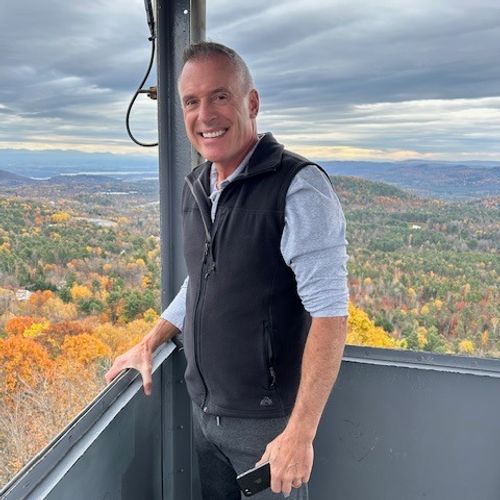
In this episode of The Wheelhouse, we are joined by Derek Shuttleworth, a public school English teacher beginning his twenty-sixth year in education, and one of his former students, Madison Middlestead.
Derek has spent his career teaching across four states, multiple grade levels, and rural, urban, and suburban communities. Along the way, he has done far more than teach English. He has created clubs and community events, mentored future teachers, advocated for reform, built partnerships, and worked to expand access to postsecondary opportunities for students. Today, at Lansingburgh High School in Troy, New York, he teaches Junior Regents English and dual enrollment courses through Hudson Valley Community College while helping create pathways that could eventually allow students to earn significant college credit—and perhaps even an associate’s degree—before graduating from high school.
Madison brings an equally important perspective.
She is now a college student, but her journey through school was not always easy. Her experience gives us the opportunity to look at education from the other side of the desk—to consider the difference between what educators intend for students and what students actually experience.
And that difference matters.
Together, Derek and Madison help us explore what happens when students feel seen, known, challenged, and believed in—and what happens when they do not.
We talk about the power of relationships, the importance of student voice, the difference between creating an opportunity and helping a student believe that opportunity is actually meant for them, and the responsibility educators carry in helping young people imagine possibilities they may not yet be able to imagine for themselves.
Derek’s work reminds us that teaching can be much bigger than delivering a curriculum. It can mean opening doors, building pathways, expanding possibilities, and refusing to accept that the boundaries we inherited are the boundaries students must inherit.
Madison reminds us of something just as important: an opportunity can exist without a student ever believing they belong in it.
That is why student voice cannot simply be something we collect. It has to be something that changes us.
Ultimately, this conversation brings us back to one deceptively simple question: What is the main thing? Maybe it isn’t the program. Maybe it isn’t the credential. Maybe it isn’t the newest reform, technology, or initiative.
Maybe the main thing is the young person in front of us—the human being whose life should become larger because they encountered our schools.
If that is true, then everything else we build has to answer to that.
Takeaways
- Before schools chase what is next, we have to be clear about what must never be lost.
- Student voice matters most when it changes how adults think, lead, teach, and design.
- There is a difference between offering students an opportunity and helping them believe that opportunity is truly available to them.
- Relationships can shape how students see themselves, their abilities, and what they believe is possible.
- Teaching is bigger than delivering content; it is also about opening doors and expanding possibility.
- What educators intend and what students actually experience are not always the same thing.
- The main thing in education is the human being whose life school is supposed to enlarge.
Follow Students Matter, LLC on Instagram or LinkedIn.
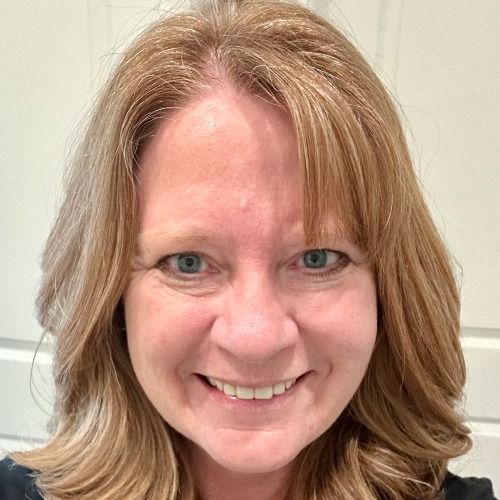
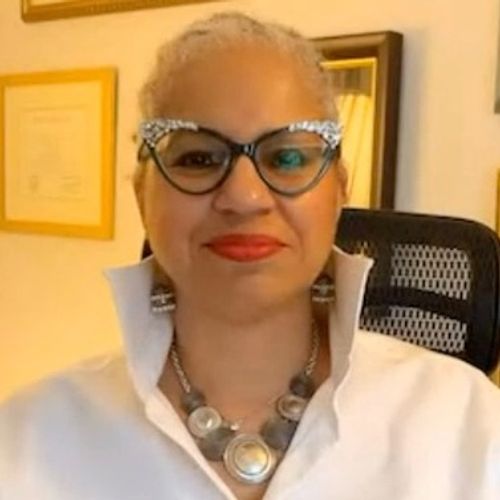
Connect on LinkedIn with each of us individually: Kathy Mohney, Michael Pipa, Dr. Alicia Monroe, and Dr. Grant Chandler.
To learn more about the Students Matter Ecosystem, stop by:
Until next time, remember:
Every student matters. Every educator matters. And what we create together matters.
Stay Oriented.
Transcript
We talk a lot about what schools need to become more innovative, more responsive, more future ready.
Speaker A:But maybe before we add another initiative, another technology, another pathway, or another reform, we need to ask a much simpler question.
Speaker A:Have we kept the main thing?
Speaker A:The main thing?
Speaker A:Today we're joined by a teacher who has spent more than 25 years working to expand what school can make possible.
Speaker A:And one of his former students whose own experience reminds us that what adults intend for students and what students actually experience are not always the same thing.
Speaker A:So what is the main thing?
Speaker A:And what would schools look like if we refused to lose sight of it?
Speaker A:A new episode of the Wheelhouse begins right now.
Speaker A:Welcome to the wheelhouse.
Speaker A:I'm Dr. Grant Chandler, along with the wheelhouse team of Kathy Mone, Michael Pipa, and Dr. Alicia Munro.
Speaker A:And today we continue our season 13 exploration of the conditions shaping what schools are becoming and perhaps more importantly, what we cannot afford to lose along the way.
Speaker A:Our guests are Derek Shuttleworth and Madison Middlestead.
Speaker A:Derek is beginning his 26th year as a public school English teacher.
Speaker A:His career has taken him across Oregon, Alaska, California, and New York, working with students from middle school through college in rural, urban and suburban communities.
Speaker A:Along the way, his work has stretched far beyond the walls of his classroom.
Speaker A:He's created opportunities for students, built community partnerships, mentored future teachers, advocated for reform, expanded access to post secondary learning, and consistently asked what more schools could make possible.
Speaker A:Today, at Lansingburg High School in Troy, New York, he teaches junior Regents English and dual enrollment courses through Hudson Valley Community College.
Speaker A:He's also working to expand pathways that could eventually allow students to earn significant college credit and perhaps even an associate's degree before they graduate from high school.
Speaker A:And joining Derek is one of his former students, Madison Middlestead.
Speaker A:Madison is now a college student.
Speaker A:She believes deeply in the mission of the Wheelhouse, but she also brings something to this conversation that no framework, initiative, or theory can replace the lived experience of a young person who struggled in school.
Speaker A:That matters because adults can design programs, create opportunities, write strategic plans, and talk endlessly about what students need.
Speaker A:But students are the ones who actually experience the schools we create.
Speaker A:Derek recently told us that the Wheelhouse has a keep the main thing, the main thing quality, and that wherever people are having that conversation about what schools must be, he wants to be a part of it.
Speaker A:So today, that's exactly where we're going.
Speaker A:What is the main thing and what happens when schools lose sight of it?
Speaker A:What allows a student to move from simply having access to opportunity to actually believing that opportunity belongs to.
Speaker A:To them?
Speaker A:And after 26 years of teaching and a very different journey through school as a student, what do Derek and Madison believe schools must become?
Speaker A:Let's get oriented.
Speaker A:Good morning.
Speaker A:I'm Dr. Grant Chandler, and welcome to another episode of the Wheelhouse.
Speaker A:Good morning.
Speaker A:Cathy Mone, Michael Pipa, and Alicia Monroe.
Speaker A:The Wheelhouse team.
Speaker B:Good morning.
Speaker B:So good to see you, friends.
Speaker C:Everybody's looking so shiny.
Speaker B:I know.
Speaker B:I missed you guys last week.
Speaker B:I was in a beautiful retreat in a gorgeous location and starting my days with hikes up mountains, and it was just.
Speaker B:It was beautiful.
Speaker B:But I missed you.
Speaker B:I still missed you, even with all the beauty.
Speaker B:And I heard Grant's little dig on mid August.
Speaker B:Yeah.
Speaker B:I couldn't even get away.
Speaker B:I was listening to the episode and thought, oh, my gosh, you cannot stop, sir.
Speaker B:You cannot stop.
Speaker A:I just needed to channel you because you weren't there.
Speaker A:Right.
Speaker B:I know.
Speaker B:Always digging on time, flying by.
Speaker B:I hate it.
Speaker A:I heard somewhere yesterday a comment and it might have been, oh, it was the weather on the local weather where she said, so the second half of August.
Speaker A:And I busted out laughing because I thought of you immediately.
Speaker B:Yeah, I don't like it.
Speaker B:Like, let's live in the moment.
Speaker B:That's what I always tell them.
Speaker B:That's why I tell my dear friend here, live in the moment.
Speaker B:And stop.
Speaker A:Stop saying those things exactly.
Speaker B:Moment away.
Speaker A:Oh, news announcement.
Speaker A:I had to confirm yesterday my pool closing.
Speaker A:Oh, I'm like, what?
Speaker D:What?
Speaker A:This is ridiculous.
Speaker A:It's still 99 degrees here.
Speaker D:I mean, come on.
Speaker B:It just makes me cry.
Speaker A:I know.
Speaker A:Me too.
Speaker A:Me too.
Speaker A:Anyway, following up on a really, really, really interesting conversation last week with Donna McAndrews and Chris Messick around AI.
Speaker A:We're going to talk.
Speaker A:We're going to go in a completely different direction today and talk about the main thing.
Speaker A:Whatever the main thing is.
Speaker A:We have two amazing folks who are joining us today, and I did my intro for them in the introduction of the Wheelhouse.
Speaker A:So I'm just going to say good morning and welcome to Derek Shuttleworth and Madison Middlestad.
Speaker A:Good morning.
Speaker E:Good morning.
Speaker E:Good morning, everybody.
Speaker D:Morning.
Speaker A:We are thrilled to have you here joining us in this conversation.
Speaker A:And we're going to jump right in to conversation about this main thing piece.
Speaker A:I'm going to start with Derek.
Speaker A:Derek, you look way too Young to have 26 years.
Speaker A:I know this is an audio podcast, but you look way too young.
Speaker A:You've been in education for 26 years.
Speaker E:It's all gonna happen right at once.
Speaker E:It's like, I'm gonna wake up and all this is gonna.
Speaker A:You're gonna go from, like, look at, like you're 27 to 37, right?
Speaker E:Exactly.
Speaker E:37 Sounds really good right now.
Speaker B:Yeah.
Speaker B:Derek, I think you have a new bff.
Speaker B:His name is Chandler.
Speaker B:You just let him call him every day FaceTime, so he can tell you all great things about yourself.
Speaker E:I could use that affirmation going into work.
Speaker D:Yes.
Speaker B:Yeah, he's really good at that.
Speaker A:Absolutely.
Speaker A:So, miraculously, somehow, you have spent 26 years in education.
Speaker A:What do you think is the main thing that school's actually for?
Speaker E:It's.
Speaker E:It's.
Speaker E:It's the right question.
Speaker E:The main thing.
Speaker E:I. I felt it shift for me over time.
Speaker E:When I got into teaching, I was.
Speaker E:I was in love with literature.
Speaker E:It filled me up.
Speaker E:And it was the.
Speaker E:One of the first things that actually made me feel smart at the tail end of high school.
Speaker E:I can still conjure up conversations I had with Mr. Sell, my junior English teacher.
Speaker E:First guy who ever made me feel smart.
Speaker E:Diving into a couple of poems, and it just kind of.
Speaker E:On some day, the poem just kind of made sense.
Speaker E:And then he kind of gave me a little bit of spotlight in the class.
Speaker E:And so this really dumb necklace, letterman's jacket wearing jock was smart for about five minutes.
Speaker E:And I remember him kind of recognizing that I was on a roll and I wasn't asleep, and he kind of like, locked in and just kind of like kept pulling from me.
Speaker E:And I can still conjure and remember me saying a couple of things about stopping by woods.
Speaker E:And I looked around a little bit and people were kind of looking at me like.
Speaker E:Like he speaks.
Speaker E:He's.
Speaker E:He's.
Speaker E:He's saying something that's not ignorant.
Speaker E:And it kind of caught me.
Speaker E:And so I spent the first part of my career thinking it was the literature that got me there.
Speaker E:That it was.
Speaker E:That it was Frost and it was.
Speaker E:It was Dickens and it was Hemingway.
Speaker E:It was all of these great writers.
Speaker E:And that's what got me there.
Speaker E:But it took me a while to figure out that what Mr. Sell had done for me a long time ago, it wasn't about the poem.
Speaker E:It was about him giving me a little bit of spotlight and making me, or not making, but putting me in a position to see myself as something other than what I already did.
Speaker E:And there was some kind of magic and some kind of alchemy there.
Speaker E:And it took me a little while to figure that out, that the main thing is putting students in a position where they can see themselves as a little something different than they saw themselves the previous day.
Speaker E:I think about it, like, prom.
Speaker E:Sometimes, like when our students go to prom, it's not really them, it's them plus a little bit like you put a suit on a dude and he starts to be a little bit different.
Speaker E:And when we put students in a position to see themselves as a slightly more idealized version, like they're saying things that they didn't quite say a couple days ago, they're tackling ideas.
Speaker E:It's kind of like this proving ground in the classroom.
Speaker E:Classroom where they're able to try out different visions of themselves.
Speaker E:And I think the main thing for schools with that is kind of the ethos is we have to put students in a position to be better than we are.
Speaker E:They have to grow beyond themselves, they have to grow beyond us.
Speaker E:They have to grow beyond the building.
Speaker E:They have to grow beyond their expectations of what's supposed to be next.
Speaker E:It's really.
Speaker E:It's iconoclasm.
Speaker E:It's not just, you know, self reflection, but it's.
Speaker E:It's growing past our expectations.
Speaker E:I think Steinbeck has this great line about growing past our concepts, growing past our expectations.
Speaker E:And humans are the only things that do that.
Speaker E:And I think our job, our sacred mission, is to put students in a spot where they can be better than themselves, they can be better than us.
Speaker E:And if we're going to fix anything out there, we can't keep using the same tools, the same lenses, the expectations.
Speaker E:They have to become more.
Speaker E:And we don't know what that is.
Speaker E:And I think that that's the great part of it.
Speaker E:I don't know what my students are going to do.
Speaker E:I don't know what they're going to say.
Speaker E:I just need them to come with something better than they thought they could do.
Speaker E:And I think that's the main thing, is for them to see that in a couple of years, you're going to be a hell of a lot smarter than I am.
Speaker E:You're going to know more things than I do.
Speaker E:You're going to conquer things that I can't even wrap my mind around.
Speaker E:And we need you, like, in a really palpable way.
Speaker E:We need you to do that if we're going to make it.
Speaker D:So before we will move on, I have a quick question.
Speaker D:Derek, you said that you've noticed an evolution of that.
Speaker D:So to me, that signals some sort of shift and change.
Speaker D:Am I correct?
Speaker E:I think that's fair.
Speaker E:Whether it's in the landscape or myself or society, I feel that has shifted.
Speaker E:I think we can look around us for Tons of examples.
Speaker E: Mark Zuckerberg in: Speaker E:This fundamental concept of friendship is now.
Speaker E:It's a different thing than when a lot of us were a little bit younger.
Speaker E:Mattie, I can tell you about it sometime.
Speaker E:It was glorious.
Speaker E:So I think if we recognize that big things have moved and tectonic plates have shifted, it is, it's incumbent upon us to try to figure out how we match this new, this new shift, this new thing that we're kind of looking at.
Speaker E:And if we keep dragging out the same tools, the same expectations, like this is what a 16 year old does and this is what an 18 year old does, we're not going to get the new things that we need to be able to solve the new problems that we have.
Speaker A:So Mattie, as you're listening to Derek, is your former high school teacher because you're a college student now.
Speaker A:Is he describing the educational experience that you had as a student?
Speaker F:Sorry, my experience was, it was a little bit different because it felt like teachers just wanted me to just show up to class and just like do their work.
Speaker F:It didn't really feel like most of.
Speaker D:Them,.
Speaker F:It didn't feel like most of them really cared like what you did when you exited the, the classroom.
Speaker A:So maybe what you experienced in Derek's classroom wasn't what you experienced in other classrooms.
Speaker F:Yes,.
Speaker A:When we communicated offline, you said that your educational experience had been challenging.
Speaker A:You share only as much as you want to share what was challenging about it.
Speaker F:So I struggled with, I struggled with mental health all of my high school.
Speaker F:And that made it like really hard to want to do the work and want to show up every day and learn.
Speaker F:And I think most teachers didn't really notice that I was going through stuff and like hard times.
Speaker F:And it really affected me because I didn't feel as seen as I did in Shuttleworth's class.
Speaker A:So Derek, when you hear her talk about that, and of course you know firsthand about what does that make you feel like as a teacher when you hear her say that?
Speaker E:It's gut wrenching, it's tough and it's honest.
Speaker E:And being in front of, you know, 20, 25 students, you know, for 185 days and Maddie and I worked with each other for a couple of years, it's like, it's this really weird spot as a teacher because you're seeing things, you know, 10ft away where people are struggling, whether it's it's Maddie or a student sitting next to her.
Speaker E:Like, you know, that People are going through things and how we are going through things.
Speaker E:It's like everybody in this four walls that we've kind of created this fictitious space.
Speaker E:We're going to be together for 42 minutes a day and, and we're gonna, we're gonna role play the act of, of class and we're gonna learn things and we're gonna talk about points, what, whatever points really mean.
Speaker E:And, but the, the fundamental level of it is we have time with each other.
Speaker E:Is there something that we can do together to make this a good 42 minutes where you can build off of it and we can have, you know, at least, at least one or two interactions per class where you're kind of feeling good about things.
Speaker E:And then the phone rings three times, then there's a couple emails, and then there's an announcement, and then five people need to go to the bathroom.
Speaker E:And so it's, it is so hard to go back and forth between.
Speaker E:Here is my job with 25.
Speaker E:I really need to talk to her really quick, but this kid needs something over here.
Speaker E:And then when we don't get it, when I don't get it right, we sit in that for hours and days.
Speaker E:And I have found that the most important work that I do isn't in the classroom, it's in the hallway.
Speaker E:It's, it's after school, it's before school for 30 seconds.
Speaker E:And I think, I think as I get older, that is more me versus I can say something smart about Shakespeare for 20 minutes.
Speaker E:Um, I think as I go on, that matters less and less.
Speaker E:And I think me sitting with Maddie or one of Maddie friends or colleagues and sitting with them for 10 minutes during lunch and be like, okay, we're going to lock in and we're going to, we're going to figure this one thing out.
Speaker E:This is what we're going to do.
Speaker E:I think that is, I think that's what I'm realizing and learning is the real work of this job.
Speaker E:And anything that gets in the way of that is increasingly problematic.
Speaker E:And so it's almost like I'm, I'm not really doing my job when I'm doing my job.
Speaker E:And I think that just, just knowing that students in your class and in the hallways and that you care about are going through it, it's, it's, it's a gut wrenching part of the job, but I think it's also the humanizing part that school isn't just school.
Speaker E:We're not like, it's not, it's not credits, it's not books.
Speaker E:It's.
Speaker E:We get to work with each other for years and if we can both be better off for it, I think that's, that's really what we need to keep circling back to instead of what's the glitzy thing in the classroom, what's the new app that we need to deal with?
Speaker E:Because we have real human beings existing in society trying to make it through.
Speaker E:And I think that if we can simplify that and I think if we can, if we can let students know in a more real and consistent way that we've got their back and that we are there for them even if we don't know how to be there for them, I think we move things forward.
Speaker B:I'm sitting just in such silence and heart felt to listen to Maddie and know that, to have an experience that.
Speaker B:And you think if your time.
Speaker B:And often, I mean, more times than not, you're with these adults more than you are with your family.
Speaker B:Right?
Speaker B:So with school and all of these pieces and knowing that we have such a privilege as educators to be in the space and to be entrusted with other people's children, children in this, you know, moral imperative that we have to ensure that we see them first and foremost.
Speaker B:Eric, as you're, you know, you're describing.
Speaker B:And early on in my career, it's.
Speaker B:I, I didn't, I knew I didn't have all the academics figured out, but I just thought if, if they leave this space better then they came in.
Speaker B:If they're better humans as a result of this 180 days with me, then I would have done my job.
Speaker B:And to know that there are so many students like Maddie that are experiencing something vastly different, that they're not seen, that they're not feeling that.
Speaker B:And what's missing, you know, what it, what is it that we're.
Speaker B:That we're not quite getting, I guess is, is the, the fundamental question in my mind.
Speaker B:So Maddie, what.
Speaker B:What's missing?
Speaker B:What do you, what do you want to be?
Speaker B:Like, teachers, I, like, I would have.
Speaker F:Loved it if like, more teachers came up to me during class because most of them just let me be.
Speaker F:Like, most of them didn't care if I was doing the work or not.
Speaker F:Most of them didn't care if I was sleeping or not in their class.
Speaker F:I just wish some teachers made me feel like I could do it and motivated me to do it and checked in on me and like, just.
Speaker F:Why'd you keep.
Speaker F:Sorry.
Speaker B:No, no, no, honey, you were still talking.
Speaker B:Sorry I called you honey.
Speaker B:I can't help it when working with students.
Speaker B:I apologize of that.
Speaker E:No apology.
Speaker A:I know.
Speaker F:Why?
Speaker B:Why'd you keep showing up?
Speaker B:You did it.
Speaker B:You graduated.
Speaker B:You're in college now.
Speaker B:You made choices to push through, to be successful, to continue on into college.
Speaker B:What was your drive?
Speaker F:My family helped me a lot.
Speaker F:Just, like, helped me get out of bed and stuff and get to school.
Speaker F:And then when I was at school, it was my friends that made me want to go to school.
Speaker F:Like, teach.
Speaker F:Yeah.
Speaker F:Like, yeah.
Speaker F:My friends made it, like, possible for me to get through the school day.
Speaker B:And you did it.
Speaker F:Yeah.
Speaker B:You did it into college.
Speaker B:Good for you.
Speaker B:Good for you.
Speaker D:So what I think we don't see is that this is a really emotional conversation for Maddie, and we appreciate you and we send you lots of love and light to elevate you.
Speaker D:We are all student centered and student loving.
Speaker D:So, Kathy, when you said honey, I was like, yeah, Manny is one of our honeys.
Speaker D:And Derek was shaking his head, yup, she's definitely one of my honeys, too.
Speaker D:But that's because we love you all.
Speaker D:Right?
Speaker D:We do this because we love you all.
Speaker D:But are we all, as educators, sitting in that same space?
Speaker D:And I think around Goldman's emotional intelligence, and, you know, I always have to hit the scholarly bottom, right?
Speaker D:I'm always there.
Speaker D:I always pull something out of my hat.
Speaker D:And we have to really feel comfortable with our own emotional freedom before we engage with others in community.
Speaker D:And as Derek talked about this evolution of us sitting in the space as educators.
Speaker D:Right.
Speaker D:Do we have enough time as educators to achieve our emotional balance with all the shifts and the turns and the pivots and the leveling up, and I could go on and on and the standardized testing and benchmarks and milestones and pacing guides and everything else to get to the point where we are emotionally balanced enough to really, in turn, engage what our students in the system, as our new generations in the educational space need?
Speaker D:In higher ed, mental health is our number one priority for our students because those are the pieces that are unseen oftentimes and can easily be overlooked, but nevertheless one of our imperatives and one of our most important priorities.
Speaker D:So I just kind of wanted to bring that out in the space for more opportunities for conversation and some wonderings to see where do we go next with the emotional intelligence cycle where we can all engage so that Grant and I could go right back to you.
Speaker D:That all students know that they matter, and that's really powerful, that they are seen and they are valued and they are heard and they're part of the experience and the journey that they're traveling on, that we're not just dictating that they're literally part and partnership with us as we help them travel along their own personal journey.
Speaker C:Maddie, I'm gonna just talk about an important kind of courage I feel from you, and that's just the.
Speaker C:The courage to be honest.
Speaker C:And what our listeners can't see is the care.
Speaker C:The time you're taking to hear the question and to think it through the filter of your experience.
Speaker C:And I'm just so appreciative of that.
Speaker C:I'm watching flicker over your face this realization that when you think backward, you can start to tease out things that are truths about what helped you get to school, what helped you stay in the building.
Speaker C:And I'm watching those truths kind of wash over your consciousness a bit, and it's really sweet to see.
Speaker C:One of the things I'm curious about is if that process of reflecting backward gives you any clearer sense of what strengths you're carrying forward.
Speaker C:That now, as you take on the challenges of college, are there strengths you feel from your high school experience that are doing you pretty good service?
Speaker C:Now, you don't have to answer that in this moment, but that's one question I'm kind of curious about.
Speaker C:We may get to.
Speaker C:And Derek, you talked about anything that gets in the way of the main thing.
Speaker C:The real work as you have come to understand it in your career, is a problem.
Speaker C:And those are fighting words for me, when I think about schools and learning worth fighting for, I think about the language you're using.
Speaker C:And so it makes me curious about the simple and the not so simple ways you deal with those obstacles, those problems that are interfering.
Speaker C:So those are two questions that I'm kind of carrying right now in response to what you've both shared so far.
Speaker A:So, Derek, you're a high school teacher.
Speaker A:You're a sitting high school teacher, and you now have the ear of high school teachers and other teachers all over the world as you listen.
Speaker A:And you know Maddie's story far better than we do.
Speaker A:And you also know that there are many more Madisons out there that you have met in your journey and that are in every high school in the land.
Speaker A:All with very unique stories, but all with very unique challenges as well.
Speaker A:And hopefully they're all as successful as Madison is becoming on her journey.
Speaker A:Um, what do you want high school teachers in particular, for any teacher in general.
Speaker A:But when we think about high schools, what is it that we want?
Speaker A:We need high schools to rethink in light of students like Madison, Sure.
Speaker E:I was at a PD about a year ago and I've been doing a lot more PD work and I've been kind of enjoying that.
Speaker E:And I was at this professional development seminar and we're talking about mental health, which is, you know, really what we need to talk about.
Speaker E:We've been talking about it more and more and more, especially post Covid even, you know, I hate saying the C word.
Speaker E:I, I think that time frame, it taught, I think it taught us as a people that the teachers aren't okay either.
Speaker E:And I think, I think our social contract with society has been teachers will take care of these things.
Speaker E:I had a spouse, I had a son.
Speaker E:And we were, we were trying so hard to create this veneer of normalcy when we were truly not okay.
Speaker E:And then we came back and we had to show kids that we're okay and we were not okay.
Speaker E:No one was okay.
Speaker E:And we know that they're not okay.
Speaker E:So we were in this morass.
Speaker E:And I think it has taken us years to kind of steer that ship a little bit differently, but I think we all now have this kind of self knowledge.
Speaker E:Like if I am not at school, okay, it's going to come out somehow and I need to be very savvy of that.
Speaker E:And at this PD that we were, we were in, we were talking about how we care for students.
Speaker E:Like, you know, like what do you care about?
Speaker E:What do you care about?
Speaker E:And I, I, I blathered on about how I care and the guy turned to me, he's like, but have you ever told students how you care about them?
Speaker E:Have you ever, have you ever made that explicit?
Speaker E:Do they code your nagging as something other than what you want it to be?
Speaker E:Have you ever made explicitly telling them, this is how I am showing you I care about you?
Speaker E:And we're asking 16 year olds to decode our midwestern Gen X assumptions that we're all still unpacking in our own personal therapy because we have never learned, learned how to really be emotive in the moment.
Speaker E:And we're asking a 16 year old who's going through their own stuff to like figure out me and in real time.
Speaker E:And if you don't do that right, I'm going to give you side eye.
Speaker E:But you don't know what that means either.
Speaker E:And then I'm going to be quiet.
Speaker E:You don't know what that means.
Speaker E:And then you're like, what just happened?
Speaker E:But we've got 185 more days to figure it out.
Speaker E:So it was even in my gray tenure, it was, I dawned on me like, I don't tell kids how I care about them.
Speaker E:I don't tell them how this keeps me up at night.
Speaker E:I don't tell them how when I get a conversation wrong, I obsess over it.
Speaker E:I don't tell them that when I'm giving you space right now and I'm not engaging you because I don't know what to say because then the period is over and then there's 20 more kids and as soon as I figure out what I was supposed to say, you're gone.
Speaker E:And so what I think schools need to renegotiate and figure out is one our social contract with our communities.
Speaker E:Communities are expecting us to deliver something amorphous that we don't know how to do because we're human beings.
Speaker E:And as new student teachers are coming in, they're 25 and they're learning stuff too.
Speaker E:And I'm 48 and I'm learning stuff.
Speaker E:So I think that's part of it.
Speaker E:But I think our, our systemic focus needs to be far more relationship based than scheduling based.
Speaker E:Hearing anything about master schedules and you can't take this and you have to be over there.
Speaker E:All we're talking about is the corpus and where the body needs to go.
Speaker E:And I don't care about any of that.
Speaker E:I care about that I walked past a kid in the hallway and I felt a certain way about it and I need to circle back to that or a kid wanted my help on a college application essay and I had to tell a kid, I don't have time right now.
Speaker E:And that kid might have spent two days trying to figure out how to ask.
Speaker E:The only thing I really truly care about is how the kid feels about this time and where it's going to go.
Speaker E:And within a factory style structure that is very, very difficult.
Speaker E:And at the consumer level, Maddie and other students like Maddie, what they're, what they're seeing and what they're bombarded by with is time's over with and then we bounce when I'm, we're trying to make that different, but we're failing to make sure that they walk out of our school having picked up what we're trying to put down.
Speaker E:And we're, we're failing to do that in the name of efficiency, expediency, path of least resistance.
Speaker E:All of those things are getting in the way of the main thing, which is Maddie walking out feeling like these people have my back, they know who I am, they know what I want to do, even if I don't want to do.
Speaker E:And if I lose sight of what I want to do, they can remind me because they know me.
Speaker E:And I think we are asking way too much of 17 year olds to have it all figured out and all together when they should be trusting us to hold that light up, when they can't quite see right now.
Speaker B:What you just described, Eric, was what we call herding.
Speaker B:You know, where we herd students through the system.
Speaker B:Right.
Speaker B:That is designed to be this factory approach to just move them through this assembly line.
Speaker B:Hurting them versus hearing them and knowing, you know, who they are.
Speaker B:That's what it reminded me of.
Speaker B:Everything you just described is hurting students through this space.
Speaker E:And I think we've known this for a long time.
Speaker E:We all experienced this, and I think maybe we could have skated by with it in the 80s and 90s and aughts.
Speaker E:Like we could have, you know, just kind of gotten through.
Speaker E:But I think now with where we are as a people, what we know, we can know.
Speaker E:I think there's a.
Speaker E:What's.
Speaker E:What's King's line, the fierce urgency of now.
Speaker E:Like, I think there is a. I think there's a really palpable need for us to finally get this thing right where our graduates are feeling healthy, they're feeling together, they're feeling optimistic, they're feeling empowered to go tackle whatever they want to tackle.
Speaker E:And if they don't know the answers, they know how to get the answers and they know who's got their back if they need to circle back.
Speaker E:It's something that we've been talking about a lot.
Speaker E:And this is one of the reasons I reached out to Mattie for this is I think we really need to build out after our high school students graduate that they know and have access to us who have been in their corner for a couple of years.
Speaker E:We turn off their email two weeks after they graduate.
Speaker E:And this has been in every building I've worked in.
Speaker E:And right now I'm teaching this special ed class on how your IEP where I just essentially taught students that your IEP stops after high school.
Speaker E:Like your workplaces, your colleges, you have to self advocate for your IEP and your 504.
Speaker E:And so what I think we are in the totality of what we're teaching kids is right after you graduate and we have our big hug fest in the parking lot, we're done with you.
Speaker E:And I don't think that they know that until a couple weeks later.
Speaker E:And I think that is the thing that we need to essentially build out after high school that they know that we're not done with each other yet if they still want to circle back and get help.
Speaker A:So I, I, I love that, Derek.
Speaker A:I absolutely love that.
Speaker A:I was doing a survey once, it was like maybe a year or two ago, and I asked a student, I asked a student if he thought that his teachers cared for him.
Speaker A:And his answer was, well, of course they do.
Speaker A:And then he says, without any missing a beat, that's what you pay him for.
Speaker A:I was like, oh, boy, that's loaded.
Speaker E:That's a lot loaded.
Speaker A:Yeah, there's a lot to unpack there.
Speaker B:Maddie had a look on her face as soon as you said that.
Speaker B:That's what we're paid for, right, Maddie?
Speaker A:Yeah, yeah.
Speaker A:Maddie, I want to ask you an unfair question.
Speaker A:Right.
Speaker A:And then I want to.
Speaker A:Derek has also been doing some work with dual enrollment.
Speaker A:And as we get ready to wrap up this episode, I want to give him a chance to talk about that for just a minute.
Speaker A:But Mattie, back in high school, if you had had six or seven, depending on your master schedule, right.
Speaker A:If you had had, if all of your teachers had been a form of.
Speaker A:Mr. Shuttleworth here, who I think is a beautiful human, by the way.
Speaker D:Thank you.
Speaker A:What would have been different about your high school experience?
Speaker F:I feel like I would have felt like, believed in myself more and felt like I was capable and I could.
Speaker B:Do it.
Speaker F:Because for a lot of my high school experience, I just was, I didn't like, really understand the point of school and I didn't really.
Speaker F:So I just feel like, yeah, I feel like I would definitely have been like more willing to show up and do the work and to speak out in class and just feel like I belong and like it wasn't or I didn't have like anxiety in class, speaking up, asking for help, that was a big thing I had to learn in high school, was learning how to ask for help because I had really bad anxiety learning that.
Speaker F:And I still do, I still struggle with that in college and I'm working on it.
Speaker A:But, but six Derek Shuttleworths would have made that a whole lot easier, huh?
Speaker E:Yeah, that's a lot to handle.
Speaker F:Yeah,.
Speaker E:I don't think anybody wants that.
Speaker D:I don't know.
Speaker A:I put my kids with you all day.
Speaker A:Absolutely.
Speaker A:Absolutely.
Speaker E:What I think is so amazing about Mattie's arc and story is that it's for a lot of our students in Lansingburg, they, the world has been here and it's a very tight knit community and all of the good and bad things that go with that, and to the amount of bravery it takes to go out of our zip code and to begin to create a new life for yourself.
Speaker E:When a lot of your friends are still here and your parents are still here, and the second anything goes.
Speaker E:A little wonky, a paper, a professor, it's like, I could go back.
Speaker E:There's safety.
Speaker E:Where I was, it might not have been ideal, but it's safe.
Speaker E:I know everyone.
Speaker E:I know everything about that place.
Speaker E:And I am intentionally, willfully going into this uncharted place.
Speaker E:What am I doing here?
Speaker E:Do I belong here?
Speaker E:And every day there's an opportunity to turn around and come back.
Speaker E:And the amount of bravery it takes to not do that and to stay and to figure it out is stunning.
Speaker E:And if you, having taught in suburbia, it's the expectation, like, you go and you're fine.
Speaker E:You've got these safety nets.
Speaker E:But for our students, we're asking them to do something they can't see.
Speaker E:They don't know what it looks like.
Speaker E:They don't have a ton of older siblings who have been there and done that.
Speaker E:And we're asking them to believe in this vision that they can't see.
Speaker E:And then we get frustrated with them when they think it's silly.
Speaker E:Of course it's silly.
Speaker E:Like, the idea of going to a new town with two suitcases and sticking it out for four years, like, that's, That's.
Speaker E:That's an epic odyssey.
Speaker B:That.
Speaker E:That's not just a.
Speaker E:Two highways and a toll booth.
Speaker E:That's.
Speaker E:We're asking for the moon.
Speaker E:And when students actually pull that off, it's stunning.
Speaker E:And so to hear from Maddie, like, you get through the first year, and it was.
Speaker E:It was.
Speaker E:It was pretty good.
Speaker E:And I'm excited to go back.
Speaker E:I mean, that's.
Speaker E:That's the everything.
Speaker E:And now I talk about Mati all the time.
Speaker E:This one's going to happen.
Speaker A:That's why he's such a beautiful human.
Speaker E:I talk about what Matty has done to my juniors, my seniors, and now that we have examples, I can help them see it.
Speaker E:I can make it hold still long enough, and they can do it.
Speaker E:But I couldn't do this.
Speaker E:I couldn't do this without Maddie doing what she's doing every day.
Speaker A:So as we give him a minute to catch his breath, Kathy, Michael, and Alicia, what are our big takeaways from this amazing conversation today?
Speaker D:As a tear starts to roll down my cheek.
Speaker E:Right.
Speaker D:It rests on the question that I always ask, who do we serve?
Speaker D:And I sit with that all the time in my own reflection.
Speaker D:And then I see the bright face of Maddie.
Speaker D:And that re.
Speaker D:Energizes me because the journey is hard.
Speaker D:And everyone that signs on the dotted line as educator educates through a different lens than sometimes the way I author it.
Speaker D:And then we have to sit in community spaces with individuals that author what an educator is differently.
Speaker D:They have a whole different philosophy.
Speaker D:So I love the way Derek.
Speaker D:I always loved sitting.
Speaker D:Derek and Maddie.
Speaker D:I was a former high school principal.
Speaker D:I always loved sitting with my literature teachers.
Speaker D:The use of the English, the iconoclastic and the narrative arcs.
Speaker D:And, oh, Derek, you just laid it on.
Speaker D:And I was.
Speaker D:I just felt so involved and immersed in the entire conversation.
Speaker D:And the wonderful hesitations, the powerful hesitations.
Speaker D:Maddie and your reflections, I think those pregnant pauses.
Speaker D:There's power in silence where we can all kind of develop our own thought around Maddie.
Speaker D:Exactly where you're going, that's the work.
Speaker D:And do we give time?
Speaker D:As I map back to what Derek shared, do we give time for the real work around building relationships?
Speaker D:Because who we serve now, and I could relate to the Gen X metaphor is very different than who I served 20, 30 years ago.
Speaker D:And are we evolving in our practice and our hard work as our students in the space evolve?
Speaker B:I just.
Speaker B:I want this for every student.
Speaker B:I want every student in all spaces to know that they matter.
Speaker B:I want them to know.
Speaker B:And not just because, you know, that's what we're paid for, but we as humans genuinely care.
Speaker B:And educators coming into the profession knowing that, that's the main thing.
Speaker B:The other stuff comes.
Speaker B:I just don't like if people would get that.
Speaker B:The other stuff comes.
Speaker B:They do care about the literature.
Speaker B:They do care about improving themselves.
Speaker B:When you show them that they do matter, that they do belong.
Speaker B:I'm glad you're here.
Speaker B:I care about you.
Speaker B:Then they see.
Speaker B:I mean, Derek said that early on to be able to see myself.
Speaker B:You help me see myself.
Speaker B:The other stuff comes, regardless of who creates this master schedule that we.
Speaker B:We just have no control over.
Speaker B:What we do have control over is how we approach students.
Speaker B:That's in our control as educators.
Speaker B:The other stuff, I don't.
Speaker B:Whatever.
Speaker B:We have the control, total control, total control with how we interact, how we approach each and every student.
Speaker C:I am reminded of why I loved how you created the frame for today's conversation, Dr. Chandler.
Speaker A:Oh, you're so kind.
Speaker C:The main thing.
Speaker C:The main thing, you know, there's all this gorgeous language that we've been privy to over the course of several Seasons, but I don't.
Speaker C:I'm having a hard time finding better words than the main thing because I hear the main thing.
Speaker C:Maddie, when I hear you reflecting on your personal growth, your high school experience, how you're moving forward, that's the main thing.
Speaker C:It's the voice, the pure voice of the main thing, of the young person coming into greater possession of her own strength.
Speaker C:It's the main thing.
Speaker C:And I feel you, Derek, because you and I, brother, cry at commercials.
Speaker C:And when I hear emotion, charge your voice as you think about Maddie and your.
Speaker C:Your.
Speaker C:Your care for her and all your kids, all your kids.
Speaker C:That's the main thing.
Speaker C:Right, brother?
Speaker C:That's the main thing.
Speaker C:And when we have people who are coming into this profession and they're hearing the.
Speaker C:The.
Speaker C:The noise of what's important about the work of being a public educator, I can't get enough of the main thing.
Speaker A:So as we wrap up this episode, I want to first say, thank you, but we didn't get to Derek.
Speaker A:We didn't get to your conversation and your work around dual enrollment.
Speaker A:So I'm going to be inviting you back for season 14 so we can talk about that and talk about what that provides us as an example of what's negotiable in high schools and what isn't, right, what's all possible.
Speaker A:If we think about children being able, students being able to graduate with an associate's degree and a diploma at the same time, that completely redefines, completely redefines what we think of when we think of high school.
Speaker A:But I want to leave this conversation today.
Speaker A:And I want to challenge.
Speaker A:I want to challenge every educator who's listening.
Speaker A:And I want to remind you of what Maddie said was possible if she had six Derek Shuttleworths as teachers.
Speaker A:Because that's our job.
Speaker A:That is our job.
Speaker A:And we have tremendous power to change what these children experience.
Speaker A:And so, Maddie, thank you so much for joining us today.
Speaker A:Derek Shuttleworth, thank you so much for being such a great example of what it is that we aspire, our educational systems, to be and to do every single day.
Speaker A:So thank you so much.
Speaker A:There's something powerful about hearing a teacher and a former student sit beside one another and talk about school, not school as adults.
Speaker A:Imagine it, school as it's actually lived.
Speaker A:Derek reminds us that teaching can be much bigger than delivering a curriculum.
Speaker A:It can mean opening doors, building pathways, creating community, expanding possibility, and refusing to accept that the boundaries we inherited are the boundaries students must inherit.
Speaker A:And Madison reminds us of something equally important.
Speaker A:An opportunity can exist without a student believing it's meant for them.
Speaker A:A program can be available without a student feeling capable of entering it.
Speaker A:A teacher can care deeply and still need to understand how school is being experienced on the other side of the desk.
Speaker A:That is why student voice cannot simply be something we collect.
Speaker A:It has to be something that changes us.
Speaker A:Throughout this season, we've talked about fragmentation, dehumanization, instructional erosion, future confusion, drift, and lack of alignment.
Speaker A:But underneath every one of these conditions is a more fundamental question.
Speaker A:What are schools for?
Speaker A:Perhaps Derek gave us the simplest way to think about keep the main thing.
Speaker A:The main thing.
Speaker A:And maybe the main thing has been in front of us all along.
Speaker A:The human being, the young person whose life should become larger because they encountered us, whose sense of possibility should be expanded, whose gifts should become more visible, whose future should become more imaginable.
Speaker A:Everything else we build has to answer to that.
Speaker A:My thanks, my sincerest thanks to Derek Shuttleworth and Madison Middlestad for joining us in the Wheelhouse and for helping us see school from both sides of the desk.
Speaker A:And, as always, my thanks to the Wheelhouse team, Kathy Mone, Michael Piper, and Dr. Alicia Munro for the thinking, the care, and the partnership they bring to this work episode after episode.
Speaker A:Until next time, remember, students matter, people matter, and the work matters because they do.
Speaker A:Stay oriented.
Speaker A:We'll see you next week for another episode of the Wheelhouse.